What is curing?
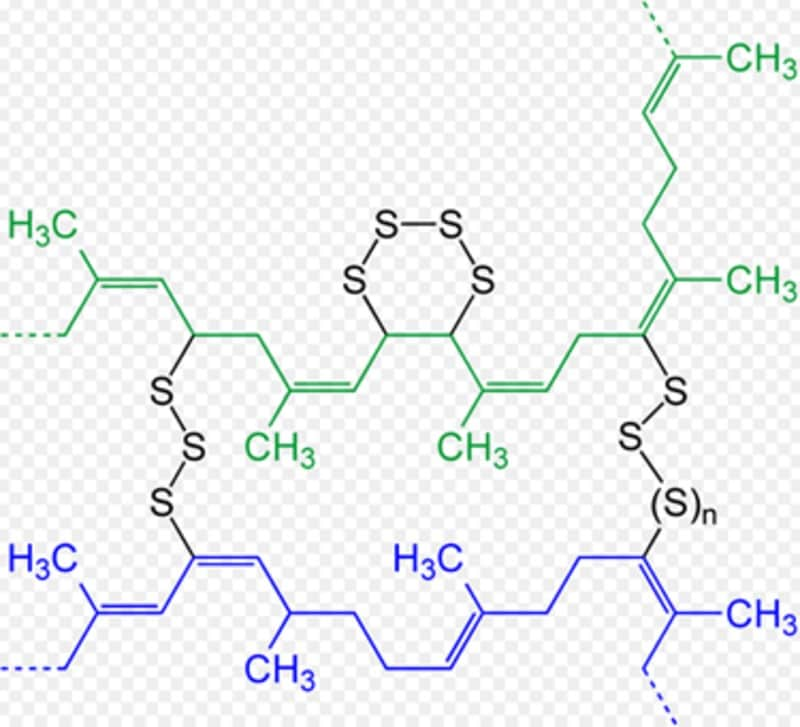
The curing process allows synthetic polymer chains within the formulation to bond with one another, this process is called cross linking and is the reason powder coating is so durable. Unless powder is allowed to run through a full cure cycle, the cross linking process will not be complete and the durability will be compromised.
Curing is perhaps the most misunderstood aspect of the powder coating process. Most errors that applicators make have to do with an improper cure schedule.
Always review the application guides!
What is a Cure Schedule?
A cure schedule is the combination of time and temperature that a finish must be baked at to achieve a full cure, which allows cross linking to occur.
What is Under Curing?
The most common curing mistake people make when curing is under curing, usually due to misunderstanding how to interpret the cure schedule.
Cure schedules are based off of part metal temperature (PMT), which means the part(s) themselves must reach the specified curing temperature before the curing timer should be started.
The only way to know for certain what the part temperature is at, is to take the temperature of the part with a device such as a laser or infrared temperature gun. Powder will begin to melt at a much lower temperature than the cure temp, so always check the part temp on the thickest area of the part, which is the area that will take the longest to come up to temperature. Prematurely starting the timer will result in an under-cured finish. (Prismatic Infrared Thermometer SE-422 )
Because powders require a specific combination of time and temp to fully cure or "set", not fulfilling either of these requirements will result in a finish that is under cured. Side effects of an under cured finish are; brittleness, poor resistance to chemicals or UV light, and in some cases incorrect appearance. In the case of clear or tinted clear based top coats, an under cured finish can lead to cracking or "crazing" and delamination from the base coat.
What is Over Curing?
Opposite of under curing is over curing. When the finish product is baked for longer than, or at a higher temperature than what the curing schedule specifies, you will have over cured the product. Most powders have some over bake stability built in to them, meaning they can usually handle being baked a bit longer than what is specified in the cure schedule. This is particularly important when coating a part that has various thicknesses to it. The thinner areas will cure before the thick areas, and the powder needs to be able to cope with the discrepancy. There are limitations to the over bake stability of a powder, which vary from powder to powder. Over bake for too long and the finish can become brittle and in some cases the powder can burn giving a yellow or gold hue to the finish. Over bake stability generally applies to the time spent at temp rather than baking at a higher than specified temp. In cases where there are extreme differences in part metal thickness on a given part, it may be a good idea to lower the curing temperature and extend the cure time, doing so can limit the potential of over baking thinner areas.
Consult the the powder manufacturer for curing temperature limitations on the specific powder.